

physical body : ค้นหาหนังสือธรรมะ หน้า 7 / 9
หน้าหนังสือทั้งหมด
106
Understanding the Middle Way in Dhamma Practice
In terms of practice however, Luang Phaw Wat Paknam explained how we can know we are practicing the Middle Way in the sermon he gave on the Dhammacakkapavattana Sutta on 3 January 1955. He explained t
In his sermon on the Dhammacakkapavattana Sutta, Luang Phaw Wat Paknam elucidates the profound significance of the Middle Way, urging practitioners to find stillness at the body’s central point. This
219
Understanding Suffering and Enlightenment in Buddhism
Angelic Body 107, 122; defilements by attaining Dhammakaya 111 of 135
bemoaning, as suffering 47, 58, 71,
anger 135, 136, 137 199; relationship to sorrow and lam-
animal kingdom, suffering of birth en
This text delves into key Buddhist teachings regarding suffering, attachment, and the process of attaining enlightenment. It analyzes various forms of suffering, including the suffering associated wit
101
Untitled
Universal Goodness : 99
(3) The Problems Caused by the Economy: Human beings differ in terms of habits, the level of diligence, the level of intelligence and intellect, etc. What everyone has in comm
No summary can be provided without content.
114
Untitled
112 : Universal Goodness
The Effects of Universal Goodness on One’s Mind
Cleanliness of the body and the objects around one’s person keeps one’s mind clean. Cleanliness leads automatically to orderl
No content provided.
113
The Miraculous Recovery: Meditation and Cancer Treatment
…se I had meditated
and accumulated merit." Meditation helped me
survive. Doctors can only treat the physical body,
but patients need to treat their own mental body.
Without meditation, patients can feel stressed
a…
The narrative describes an individual's astonishing recovery from cancer, where all cancer cells disappeared after chemotherapy. The doctors, astonished by the results, conducted thorough examinations

5
How To Meditate
How To Meditate
Sit upright with your right leg on your left leg. Place your right
hand on your left hand. Let your right index touch your left
thumb. You can sit with or without a cushion on the floo
Meditation is a practice that allows one to find tranquility and peace within by sitting comfortably, relaxing the body, and clearing the mind of thoughts. Begin by finding a comfortable position, suc
68
Dhammakāya and Noble Disciples
…y father;
O Gotama the refuge who gives happiness of truths, I have been born through you.
32. This physical body of yours, O Sugata, was brought up by me;
The blameless (pleasurable) dhamma-body of mine was broug…
In the context of Pāli texts, the term dhammakāya is linked to noble disciples as evidenced in the story of Gotamī, the great nun and Buddha's foster mother. As she approaches her passing, Gotamī refl
242
Glossary of Key Buddhist Terms
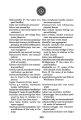
Kakusandha (P. the name of a käya samphassa (tactile contact: past Buddha) see sense-contact)
kalla (see embryonic precursor) käyasucarita (see wholesome
kāma (see sensuality) physical deeds)
kāmabhav
This text provides a glossary of key Buddhist terms, including definitions and insights into concepts such as Käyasucarita (wholesome physical deeds), Kāmabhava (sense-sphere existence), and various f
121
The Four Virtues of Self-Improvement
2. Self-improvement (Dama)
"The second virtue is to always improve oneself. I kept
improving myself professionally. From an ignorant person, I
kept advancing myself until I was able to be a good provi
In this chapter, the author discusses the essential virtues for self-improvement and personal growth. The second virtue emphasizes the importance of continuous self-enhancement, maintaining profession
118
Truth for the Family: Dhamma Teachings
Part Five: Truth for the Family
about Dhamma and learned that there was a set of teachings
specifically tailored for householders. They include four
main virtues, which are:
1. Truthfulness (sacca): T
Part Five discusses essential virtues for householders taught in Dhamma, emphasizing truthfulness, self-improvement, and enduring hardships. Truthfulness (sacca) encourages honesty and accountability,
121
The Four Virtues of Self-Improvement
2. Self-improvement (Dama)
“The second virtue is to always improve oneself. I kept improving myself professionally. From an ignorant person, I kept advancing myself until I was able to be a good provi
This text discusses the four virtues that foster personal development. The first virtue emphasizes continuous self-improvement to advance one's career and resist vices. The second virtue focuses on en
231
Understanding Dhammakaya: The Nature of Wisdom
Wisdom
like our mind. The Dhammakaya has been there,
naturally, since we were born. The Dhammakaya
has nothing to do with religion, race, or personal
belief. Just because I cannot see the Dhammakaya
w
The text discusses the concept of Dhammakaya, suggesting that it exists inherently within all individuals, regardless of external influences. It emphasizes the importance of refining one's mind to per
233
The Transformative Power of Meditation
Wisdom
a refined body within me, purer and wiser than
my physical self was. Seeing the Dhammakaya
body makes me feel calm, peaceful and happy,
like nothing else. It is happiness beyond what
anyone or
This text describes the profound effects of meditation and visualization of the Dhammakaya body on the author's life. It highlights the transformation from an anxious, irritated individual to one who
198
Understanding Your Mind for Serenity
…d inside yourself and have not had your feelings turn to show interest in yourself, even though the physical body and the mind are present in people of every nationality and ethnicity, including you. The truth is …
The text discusses the importance of self-awareness and understanding one's mind as essential steps toward achieving serenity. It highlights how external factors like daily responsibilities and politi
69
The Superiority of Dhamma over Worldly Existence
…sage, a comparison is made between worldly motherhood and spiritual paternity, the fostering of the physical body and that of the dhamma-body, the thirst-relieving efficacy of ordinary milk and the milk that is dh…
ในบทความนี้เสนอการเปรียบเทียบระหว่างความเป็นแม่ในโลกกับการเป็นบิดาทางจิตวิญญาณ โดยเน้นที่การดูแลร่างกายทางกายภาพและร่างกายทางจิตวิญญาณ รวมถึงประสิทธิภาพในการบรรเทาความกระหายของนมธรรมดาและนมที่เป็น dha
16
Understanding Reproductive Kamma
…ures oneself to it, that kind of feeling dominates the state of mind and empowers it to originate a physical body that is continued by mental status.
ธรรมะสมเด็จพระสัมมาสัมพุทธเจ้า 13 : อำนาจความยึดมั่นของจิตก่อน…
Reproductive kamma represents the final thoughts and mental conditions one experiences before departing this world. A positive focus on merits and virtues leads to a better state of mind and body, whi
85
The Dhammakaya Tradition
The Dhammakaya Tradition
The Dhammakaya Tradition is a Buddhist meditation method taught by Phramongkolthepmuni in the early 20th century. Dhammakaya meditation encompasses both the samatha (tranquili
The Dhammakaya Tradition is a renowned Buddhist meditation technique initiated by Phramongkolthepmuni in the early 20th century, blending samatha and vipassana practices with the aim of overcoming the
112
Understanding Inner Dhamma
Inner Dhamma
We used to perceive that the inner Dhamma was something profound and difficult to attain, that one had to put in an immense amount of effort and had to do it in a remote place in order to
Inner Dhamma was once seen as a profound, difficult achievement requiring immense effort in isolation. However, it is now understood that maintaining an alert, relaxed, and still mind allows access to
59
Understanding the Process of Perception and Cognition
…ind pure at all times: clean and clear.
“The characteristics of the mind are many: (1) It is not a physical body, but it forms a bright sphere. (2) It can think only one thought at a time and it perceives only on…
This text discusses the intricate processes of how our brain perceives, memorizes, thinks, and ultimately knows. It highlights the significance of each stage, emphasizing the depth required in thinkin
90
The Importance of Self-Reflection and Meditation
"The first is the structure of the physical body. The head dictates to us that we need to open our eyes. And when we open our eyes, we look outside.…
The passage highlights the significance of recognizing our own imperfections and the need to focus on self-reflection instead of constantly observing others. It suggests that we should learn to see th